Apply to our international study programmes. Complete an online application at [email protected]


Apply to our international study programmes. Complete an online application at [email protected]

Our university offers different research opportunities for doctoral students. The next admission period starts in spring 2027.

The Estonian University of Life Sciences is the leading university in Estonia in the field of bioeconomy.

On 12 November, Kadri Leiten defended her doctoral thesis at the Estonian University of Life Sciences, entitled “Long-Term Evolution of Moisture Regime and Damage Risks in Internally Insulated Massive Masonry Walls under Changing Climate Conditions”. Her research focused on how insulating historic masonry walls affects moisture accumulation and the long-term preservation of buildings.
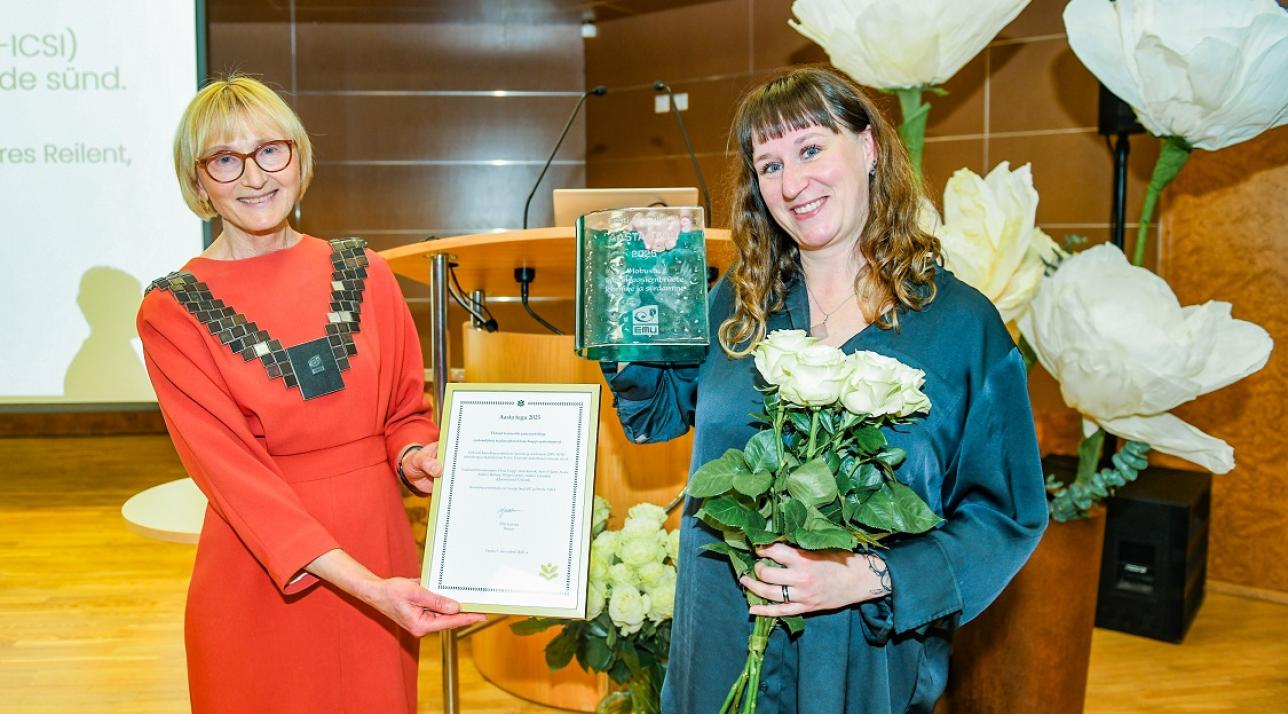
On Friday, 13 November, at 12:00, the Estonian University of Life Sciences will hold its anniversary festive meeting in the assembly hall of the university's main building. During the event, an honorary doctorate and doctoral degrees will be conferred, and university staff and the year's most outstanding achievements will be recognised.
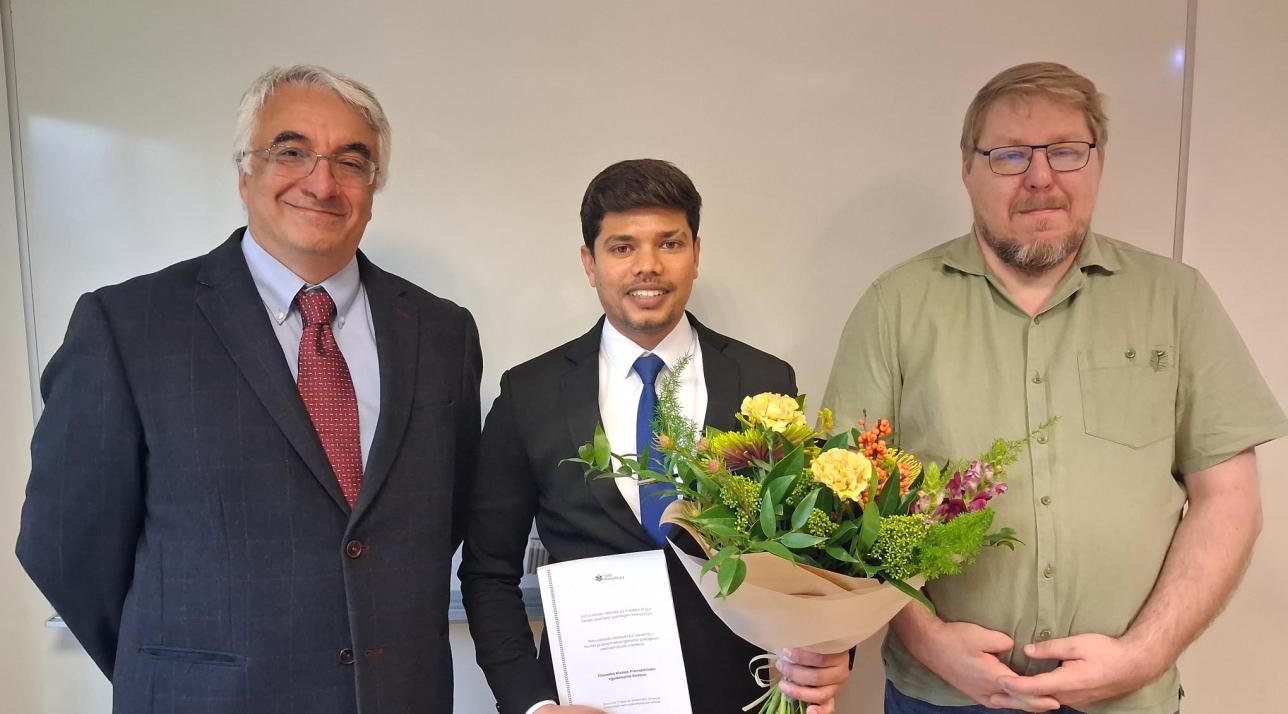
On 10 November, Chanaka Nishan Premathilaka Egodawatte Gedara defended his doctoral thesis at the Estonian University of Life Sciences, entitled “Extracellular vesicles as markers of gut health and host–pathogen interactions”. His research explored new approaches to assessing intestinal health and parasitic infections in animals.
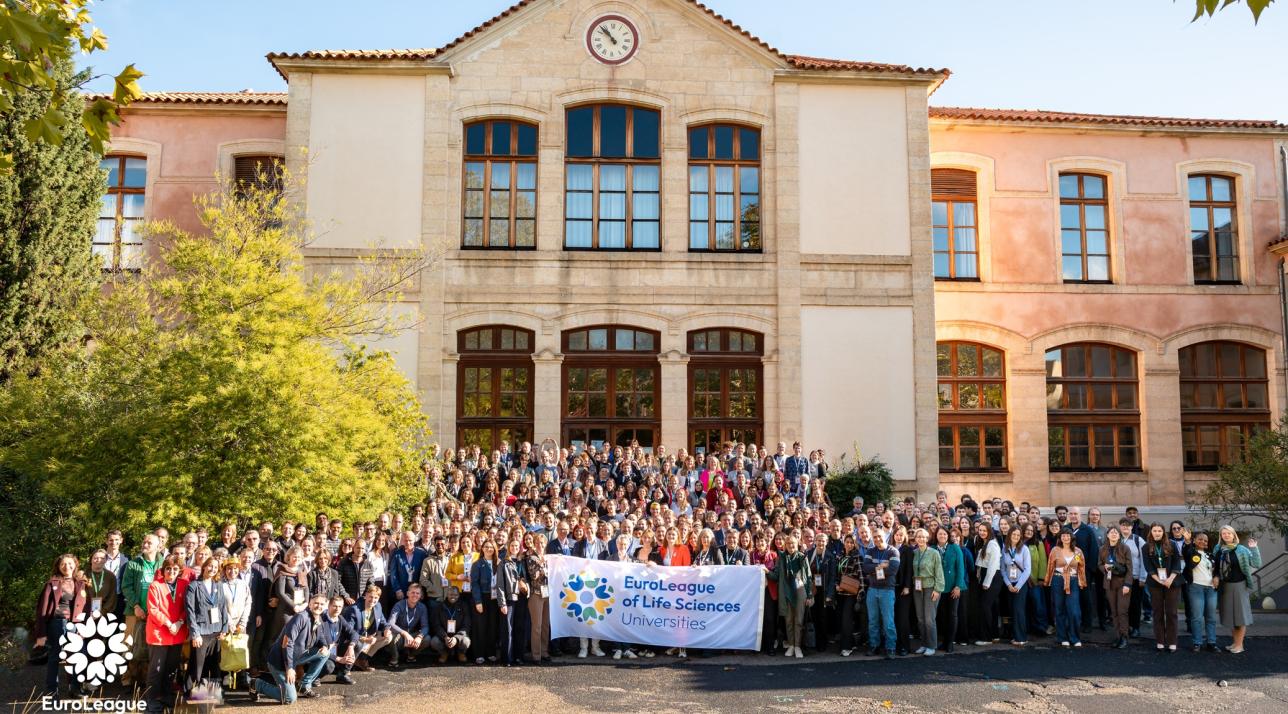
The Euroleague for Life Sciences (ELLS) celebrated its 25th anniversary with a General Assembly and Student Scientific Conference held in Montpellier, France, from 5 to 7 November.
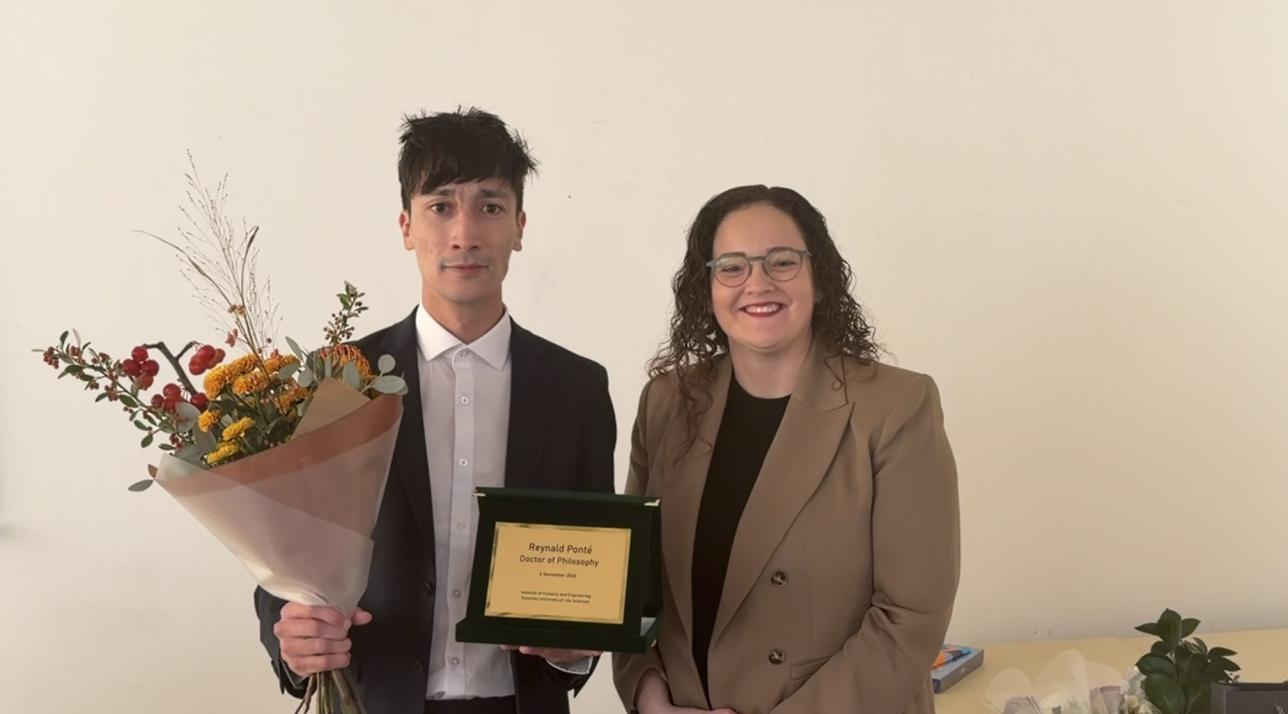
On Friday, 6 November, Reynald Ponté defended his doctoral thesis at the Estonian University of Life Sciences, entitled “MnO₂ Nanomaterials for High-Performance Anode for Supercapacitors Applications”. His research explored how modifying the structure of manganese oxide could improve the performance and durability of energy storage devices.

The Estonian University of Life Sciences has completed its Action Plan for Carbon Footprint Reduction and Resource Efficiency 2026+, which sets out measures to reduce the university’s carbon footprint and improve the efficient use of energy, materials and space. The action plan covers several areas of everyday university operations, from renewable energy use to environmentally friendly transport.
We are an internationally recognized research university in the field of bioeconomy.


Welcome to the virtual tour of the Estonian University of Life Sciences. Explore our campus, buildings, and learning environment without leaving your home. Enjoy exploring!
